
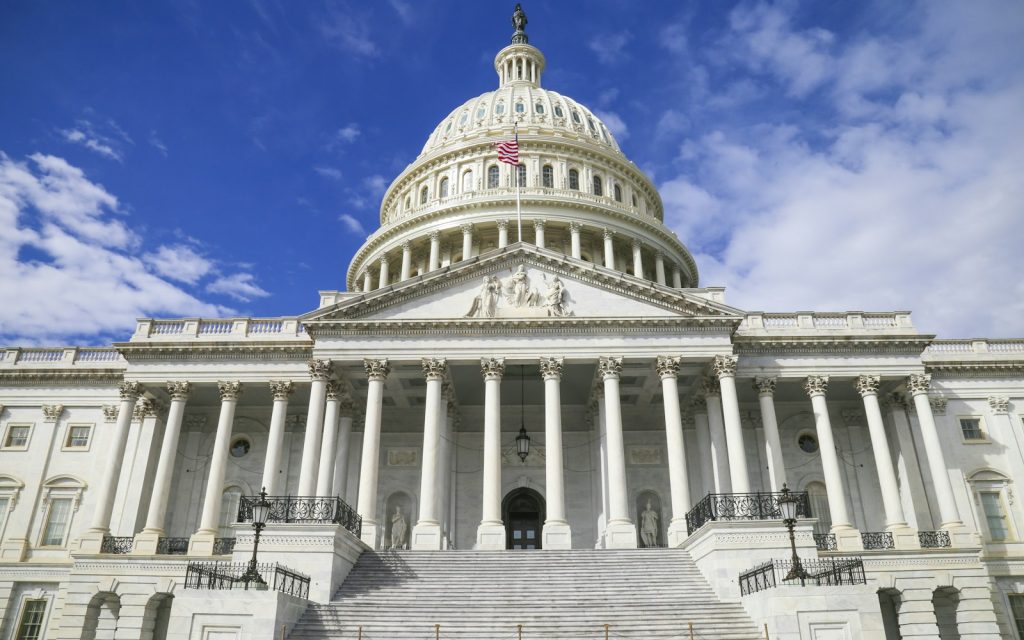
Americans vote on Tuesday, November 3, in midterm elections that will decide control of both chambers of Congress, 36 governorships and thousands of state and local offices. With inflation back at 3.7% and gasoline above $4 a gallon, affordability has dominated the final weeks of campaigning. Here are the contests most likely to decide the balance of power.
The current balance
- Senate: 53 Republicans, 45 Democrats, 2 independents who caucus with Democrats
- House: 218 Republicans, 214 Democrats, with vacancies
- Democrats need a net gain of four Senate seats for a majority.
The Senate battlegrounds
Alaska
Former Representative Mary Peltola (D) is challenging Senator Dan Sullivan (R). Ratings range from toss-up to lean Democratic — a remarkable development in a state Republicans usually win comfortably.
Iowa (open seat)
With Senator Joni Ernst retiring, Democrat Josh Turek faces Republican Ashley Hinson. Polling averages show an extremely close race.
Kansas
Senator Roger Marshall (R) faces Democrat Adam Hamilton in a contest rated a toss-up by several forecasters, with polls essentially tied.
Maine
Veteran Senator Susan Collins (R) faces Troy Jackson (D), who replaced Graham Platner as the Democratic nominee. Recent polls range from a tie to a small Jackson lead.
Michigan (open seat)
Democrat Abdul El-Sayed and Republican Mike Rogers are competing to succeed retiring Senator Gary Peters. El-Sayed has led most recent polls, mostly narrowly.
The Senate map runs through states few expected to be competitive a year ago — a sign of how much the economic mood has shifted.
Governor races to watch
- Georgia: Rick Jackson (R) vs. Keisha Lance Bottoms (D) — dead even.
- Nevada: Governor Joe Lombardo (R) vs. Aaron Ford (D) — within the margin of error.
- Ohio: Vivek Ramaswamy (R) vs. Amy Acton (D) — Acton has led recent polls.
- Maine: Hannah Pingree (D) vs. Bobby Charles (R).
The House
With Republicans holding a narrow majority, a modest shift in a few dozen competitive districts could hand Democrats control. Historically, the president’s party has lost House seats in most midterm elections.
When will we know?
Some races, particularly in states that count mail ballots after Election Day, may take days to call. Alaska and Maine use ranked-choice voting, which can extend the count. Follow live results and analysis in our Politics section.