
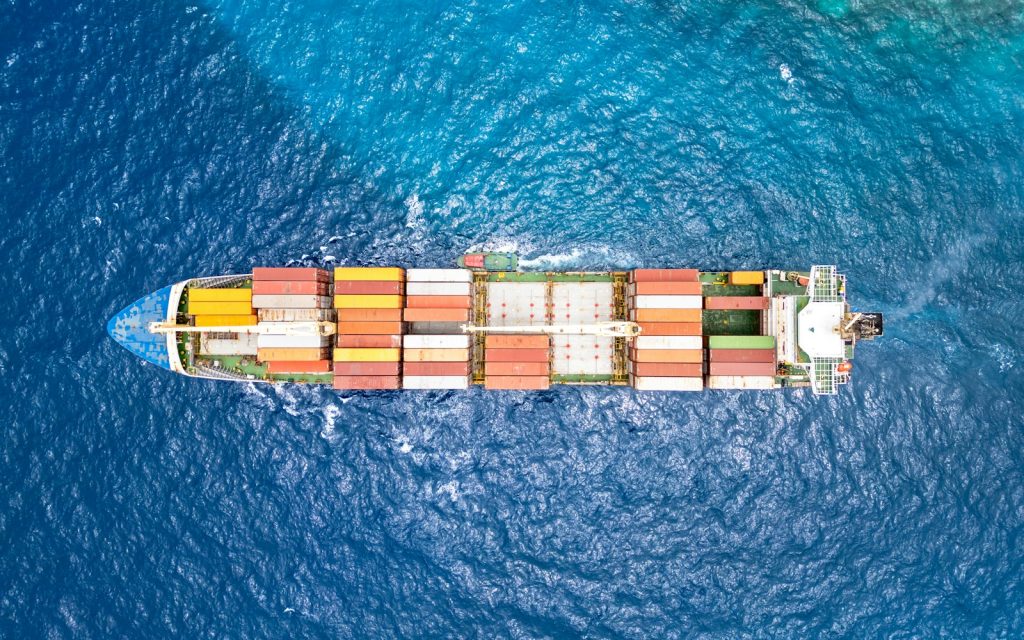
The United Nations is warning that parts of Asia and Africa could face a food security crisis unless the United States and Iran quickly agree on a plan to move fertilizer through the Strait of Hormuz. UN Under-Secretary-General Jorge Moreira da Silva said it was “absolutely critical” that the two sides reach agreement within weeks, before the next planting season.
Key takeaways
- Before the war, about a third of global urea shipments and nearly half of seaborne sulphur passed through Hormuz.
- The UN mechanism could be activated within 7–10 days of agreement.
- Just five vessels a day could keep fertilizer flowing to countries most in need.
How the UN plan would work
Drawn up in March, the mechanism would establish a UN-staffed coordination centre in Oman to register vessels and oversee their safe passage. UN monitors would work with authorities at Gulf ports to verify cargo loading, track ships in transit and carry out additional inspections if concerns arise. Moreira da Silva, speaking on the sidelines of the IMF and World Bank meetings in Bangkok, urged the parties to “let us work, let us do our job” while broader negotiations continue.
Why fertilizer matters so much
Traffic through the strait has been severely disrupted since the start of the US-Israel war on Iran, with Iran targeting vessels and US and Iranian forces exchanging fire in and around the waterway. Although fertilizer is a small share of cargo by volume, the Gulf is a major exporter of urea and sulphur, both essential inputs for crop production. Without them, yields can fall sharply.
Missing a planting season is not a problem you can fix later — the harvest is simply smaller.
Who is most at risk
- South Asia: Farmers who rely heavily on imported fertilizer are struggling with soaring costs and shortages.
- Sub-Saharan Africa: Import-dependent countries facing climate shocks are especially vulnerable.
- Europe: Spanish farmers have protested rising production costs linked to high oil and fertilizer prices.
In May, the UN Food and Agriculture Organization warned that fertilizer scarcity could tighten food supplies from late 2026 into 2027. Separately, the IMF has noted that rice import prices are up about 50% and wheat import prices about 37% since the conflict began.
Diplomacy at an impasse
Washington and Tehran have exchanged proposals through intermediaries since an interim ceasefire collapsed in June. Efforts to reopen the strait have stalled over Iran’s conditions and US insistence on addressing Tehran’s nuclear programme from the outset. Shipping attacks have continued; two cargo vessels sank in the strait this week after being struck by unidentified projectiles.
Follow the story in our World News section.