
Inflation in the United States accelerated again in September, with the consumer price index rising 3.7% from a year earlier, up from 3.4% in August and above the 3.6% economists had expected. Energy was the main culprit: gasoline prices jumped 9.1% from August alone and accounted for more than half of the month’s overall increase.
The numbers
- Headline CPI: 3.7% year over year (August: 3.4%)
- Core CPI (excluding food and energy): 2.6% (August: 2.4%)
- Energy: +20.4% year over year · Gasoline: +34.2%
- Airline fares: +22.4% year over year
Energy shock at the pump
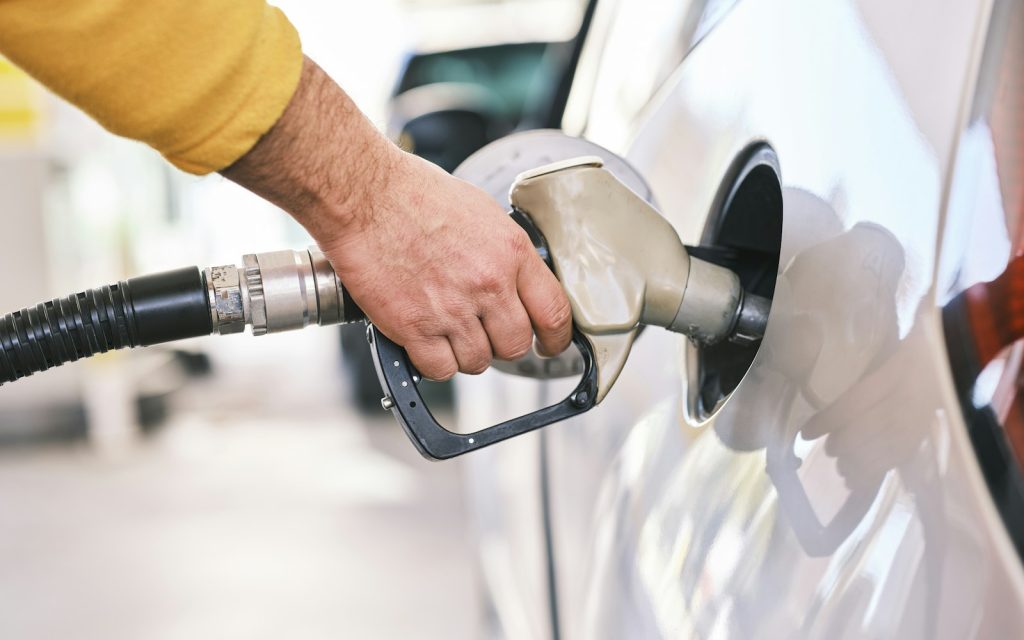
The national average price of regular gasoline reached about $4.33 a gallon, compared with $2.98 before the war involving Iran disrupted shipping through the Strait of Hormuz. Diesel, which matters enormously for freight and farming, averaged around $6.29 after hitting a record in late September. Those costs ripple through the economy as trucking, delivery and agriculture pass higher fuel bills on to customers.
Core inflation is creeping up too
The more worrying sign for policymakers is the rise in core inflation, which strips out volatile food and energy prices. At 2.6%, it remains well below the headline rate, but the increase from 2.4% suggests some energy costs are feeding into services and goods more broadly. Shelter costs continued to contribute, and the sharp rise in airfares reflects airlines passing on jet fuel prices.
“The CPI was clearly hot, and there aren’t many ways to sugarcoat it,” analyst Adam Crisafulli said after the release.
Wages are falling behind
With average wages rising around 3% from a year earlier, many households are seeing their purchasing power shrink for the first time in several years. That squeeze is becoming a central issue in the final weeks before the November 3 midterm elections.
What it means for the Fed
The Federal Reserve raised rates in September to a range of 3.75% to 4% and signalled that another hike was possible this year. After the report, Capital Economics said markets were pricing roughly a 50% chance of a hike at the October 27–28 meeting, up from about 20% beforehand. The Fed’s final meeting of the year is December 8–9.
How households can respond
- Shop around for fuel using price-comparison apps and combine trips where possible.
- Lock in fixed rates on new borrowing if you expect rates to rise further.
- Review high-interest debt, as credit card rates tend to follow Fed hikes quickly.
More analysis in our Business section.