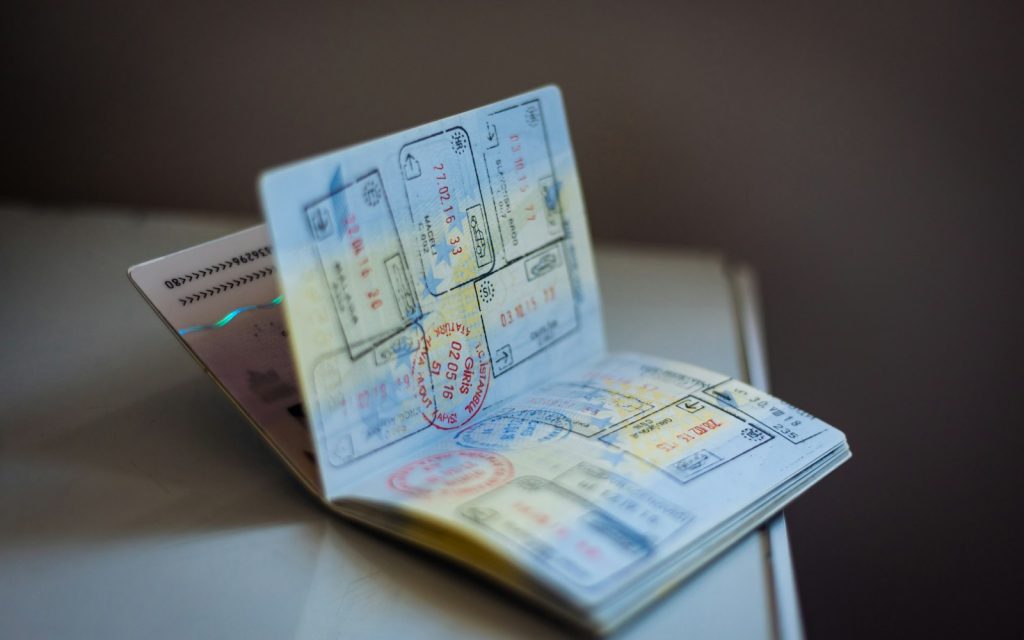
If you have crossed a Schengen-area border this year, you may have noticed something missing: the passport stamp. Since April 10, 2026, the European Union’s Entry/Exit System (EES) has been fully operational, recording the arrivals and departures of non-EU travellers digitally. The next step — the European Travel Information and Authorisation System, or ETIAS — is scheduled to follow. Here is what travellers need to know.
Quick facts
- EES records fingerprints, a facial image and entry/exit dates for non-EU short-stay visitors.
- ETIAS is planned to launch in the last quarter of 2026, with a €20 fee.
- Ireland has opted out of both systems; Cyprus is outside EES for now.
How the Entry/Exit System works
EES applies to non-EU nationals entering for short stays, whether they need a visa or not. On your first crossing under the system, border officers or self-service kiosks capture your fingerprints and a facial image, along with your name, travel document and the date and place of entry. On later trips, the system checks your biometrics and automatically calculates how many days you have used under the 90-in-180-day rule.
What to expect at the border
- Allow extra time on your first trip: initial registration takes longer than a stamp.
- Kiosks and apps: Some airports and ports offer self-service registration to speed things up.
- Overstays are tracked automatically: the system flags anyone who exceeds the permitted stay.
ETIAS: the next requirement
ETIAS will require visa-exempt travellers — including citizens of the UK, US, Canada, Australia and many other countries — to obtain an online travel authorisation before visiting most European countries. EU reporting has placed the launch in the last quarter of 2026, with a fee of €20. After launch, a six-month transition period is expected, followed by a six-month grace period with stricter but non-punitive enforcement.
EES changes how you are counted at the border; ETIAS will change what you must do before you even book.
Carriers will check too
Airlines, ferry operators and international coach companies must verify passengers’ status through the EU’s carrier interface, so missing documentation could affect boarding, not only border entry.
Our advice
- Use only the official EU website for ETIAS applications once it opens — beware of look-alike sites charging extra fees.
- Keep track of your days in the Schengen area, especially if you travel frequently.
- Check the latest timeline before travelling, as dates have shifted several times.
We will publish an ETIAS countdown guide closer to launch. More in our Travel section.