
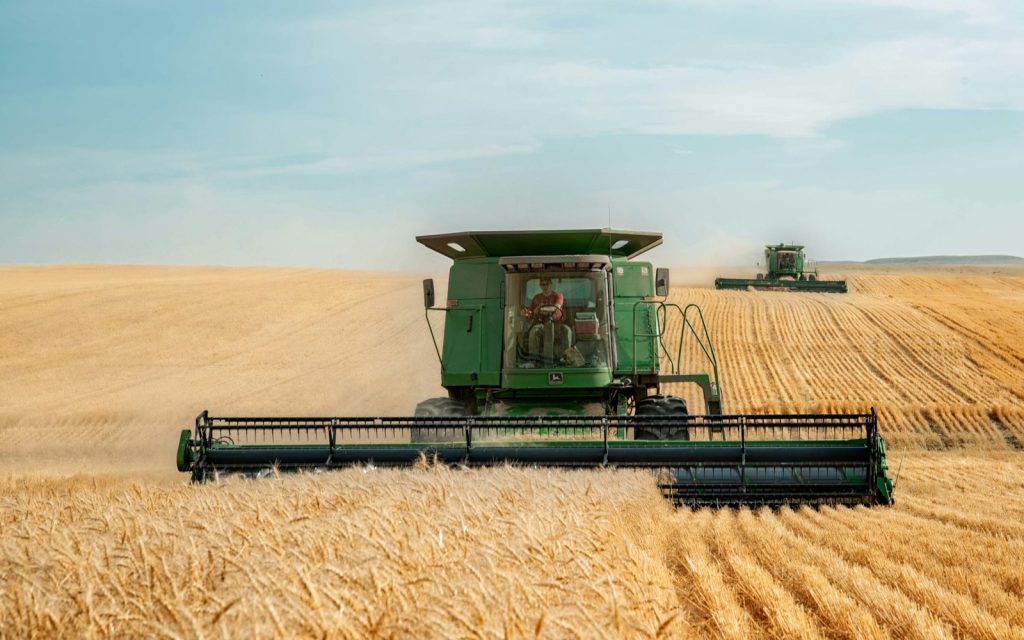
The war involving Iran is usually discussed in terms of oil. But some of its most lasting economic effects may show up on dinner tables. According to the International Monetary Fund, rice import prices have risen about 50% and wheat import prices about 37% since the Middle East war began, and UN officials warn that fertilizer shortages could tighten food supplies well into 2027.
Key takeaways
- Before the war, about a third of global urea shipments passed through the Strait of Hormuz.
- Diesel, essential for farming and freight, hit record prices in the US in late September.
- The FAO has warned scarcity could tighten food supplies from late 2026 into 2027.
The fertilizer chokepoint
Gulf states are among the world’s largest exporters of urea, a nitrogen fertilizer, and of sulphur, used to make phosphate fertilizers. With shipping through the Strait of Hormuz severely disrupted, supplies have tightened and prices have jumped. A UN plan to create a monitored corridor for fertilizer cargoes has been ready since March but requires agreement from both the United States and Iran.
Why the effect is delayed
Fertilizer shortages do not raise food prices immediately. They reduce yields at the next harvest. Farmers who cut applications this season because of cost or scarcity will produce less months from now — which is why economists see the biggest effects on staple prices arriving in 2027 rather than today.
Diesel: the hidden cost
Tractors, combines, irrigation pumps, trucks and ships all run on diesel. With crude oil above $100 a barrel and refinery disruptions in Russia, diesel has become particularly expensive. Those costs feed into everything from bread to fresh produce.
Energy shocks hit food twice: once through the fuel that moves it, and again through the fertilizer that grows it.
Who feels it most
- Import-dependent countries in South Asia, the Middle East and Africa, where food makes up a large share of household spending.
- Smallholder farmers who cannot absorb higher input costs.
- European producers: Spanish farmers have protested rising costs for fuel and fertilizer.
What could ease the pressure
Activating the UN fertilizer corridor would be the quickest relief. Longer term, analysts point to diversified supply chains, more efficient fertilizer use and investment in domestic production. Weather is another wild card: the IMF has flagged the risk of a strong El Niño adding to food-price pressure. More analysis in our Business section.